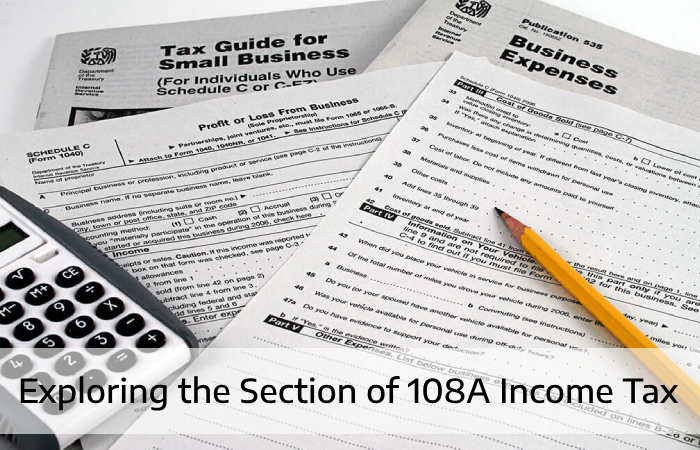
Taxes, the backbone of any functioning society, play an indispensable role in shaping economies, funding public services, and supporting government initiatives. In this comprehensive article, we delve into the multifaceted realm of taxes, exploring their various types, implications, and the crucial role they play in our everyday lives.
Understanding Taxes: An Overview
At its core, a tax is a compulsory financial charge or levy imposed by the government on individuals, businesses, or other entities to finance public expenditures. These expenditures encompass a wide array of services, including infrastructure development, education, healthcare, and national defense. Taxes are the lifeblood of a nation's economic stability, and comprehending their nuances is vital for every responsible citizen.
Types of Taxes
Taxes come in various forms, each serving a distinct purpose and catering to different aspects of the economy. Here are some of the most common types of taxes:
Income Tax: Income tax is perhaps the most well-known tax. It is levied on the earnings of individuals and entities and is a major source of government revenue. Income tax rates often vary based on income levels, with higher earners typically paying a larger percentage of their income.
Sales Tax: Sales tax is imposed on the purchase of goods and services. The rate of sales tax can vary by region and jurisdiction. It is usually added to the final price of a product or service and collected by the seller on behalf of the government.
Property Tax: Property tax is based on the value of real estate properties. Homeowners and landowners pay this tax, which is used to fund local government services, such as schools, roads, and public safety.
Corporate Tax: Corporate tax is applicable to the profits of businesses and corporations. The tax rate can differ depending on the size and nature of the company. Corporate taxes contribute significantly to government revenue.
Excise Tax: Excise tax is levied on specific goods like tobacco, alcohol, and gasoline. These taxes are often meant to discourage the consumption of certain products while generating revenue.
Tax Planning and Compliance
Understanding the intricacies of taxation isn't solely the domain of economists and policymakers. Every individual and business entity has a role to play in tax planning and compliance:
Tax Efficiency: Tax planning involves making strategic financial decisions to minimize tax liability. This could include taking advantage of deductions, credits, and exemptions offered within the legal framework.
Record-Keeping: Maintaining accurate financial records is paramount for successful tax planning and compliance. Detailed records of income, expenses, and deductions ensure that you accurately report your financial situation.
Filing Taxes: Filing taxes is an annual ritual for most individuals and businesses. It's important to understand your filing status, allowable deductions, and the appropriate forms required to ensure accurate and timely filing.
The Global Tax Landscape
In an increasingly interconnected world, taxes have taken on a global dimension. International trade, cross-border investments, and digital transactions have led to the need for coordinated international tax policies.
Challenges and Reform
While taxes are essential for funding government operations, they can also be a subject of controversy and debate. Balancing the need for revenue with the desire to stimulate economic growth and support individuals in need remains a challenge.
Taxes are the cornerstone of a functioning society, providing the financial means to support government operations and improve citizens' lives. From income tax to corporate tax, each type plays a crucial role in shaping economies and societies. Understanding taxes and their implications empowers individuals and businesses to make informed financial decisions, contribute to public services, and navigate the complex world of finance.